I Made $45K Last Year as a Pet Photographer — Here’s How
Last year I earned $45,782 photographing other people’s dogs, cats, and even a parrot named Gerald. That’s not a typo, and it’s not a fantasy. It’s the result of treating my love for animals as a real business. When I started, I thought pet photography was a cute hobby that might pay for a few cans of kibble. Turns out, the demand is huge—and the pay is serious. Here’s exactly how I did it, including the best approaches for earning money as a pet photographer that actually work.
Why Pet Photography Pays More Than You Think
The Spark: From Hobbyist to Paid Pro
My first paid gig was an accident. A friend saw a photo I’d taken of my golden retriever, Luna, at sunset. She asked if I’d shoot her anxious rescue cat, Mochi, for his adoption anniversary. I said yes, charged $50, and spent two hours lying on her living room floor coaxing Mochi out from under the couch. The photos turned out okay—nothing amazing—but my friend cried. She said they were the first good pictures she’d ever had of Mochi. That emotional payoff hooked me. But it also showed me something practical: people will pay surprising money to capture the animals they love. The barrier to entry was almost zero—I already owned a camera I’d bought for travel—and the demand was right under my nose.
The Numbers That Surprised Me
So, how does $45K break down? I started tracking everything in a simple spreadsheet. My average session fee ended up around $250 for a 60-minute shoot. But the real money came from print and digital add-ons. About 70% of my clients bought at least one print package (starting at $150), and 40% added digital files for another $100–$200. I also offered custom photo albums at $300–$500, and sold about 15 of those last year. Throw in a few holiday mini-sessions ($100 each, booked back-to-back for two days) and a couple of corporate gigs photographing shelter pets for adoption campaigns, and the numbers added up fast. The key lesson: session fees alone won’t get you to $45K. You need a product menu that upsells naturally.
The Best Approaches for Earning Money as a Pet Photographer
Build a Niche Portfolio That Commands Premium Rates
I made a deliberate choice early on: I would specialize in dogs and cats only, with a focus on outdoor action shots and candid portraits. This wasn’t just about preference—it was strategic. When you position yourself as an expert in a specific type of pet photography, clients perceive higher value. I stopped trying to be everything to everyone. Instead of photographing horses, birds, and reptiles, I focused on the two species I knew best. My portfolio became a tight collection of golden-hour dog runs, cat window-sill moments, and one very memorable parrot. As a result, I could charge 20–30% more than generalists in my area. If you’re new, pick one or two niches (e.g., “high-energy dog action shots” or “senior pet farewell sessions”) and build a portfolio around them. It’s easier to market, and clients who find you know exactly what they’re getting.
Create Irresistible Packages with Add-Ons
I learned the hard way that offering only a single “session + digital files” price left money on the table. After researching what other successful pet photographers did, I restructured into three tiers: a “Starter” package ($150 for 30 minutes, 5 digital files), a “Classic” package ($350 for 60 minutes, 15 files plus a set of 5×7 prints), and a “Premium” package ($600 for 90 minutes, all digital files, a 20-page album, and a framed print). The trick was to make the middle package feel like the obvious choice. I also added à la carte items like custom pet ornaments ($25) and pet portrait magnets ($15). These small add-ons added up—last year, they contributed an extra $1,200. The best approaches for earning money as a pet photographer hinge on giving clients options that feel valuable, not cheap.
Leverage Local Partnerships and Social Proof
I spent almost nothing on advertising. Instead, I built relationships with three local pet businesses: a boutique dog treat shop, a veterinary clinic, and an animal shelter. I offered each a commission on any client they referred (15% of the session fee). In return, I left business cards and a framed sample on their counters. I also offered to photograph adoptable pets at the shelter for free, in exchange for a photo credit and a testimonial. That one move brought me 12 paying clients in the first six months. Social proof was everything: I featured those shelter photos on my website, along with a note about how I support rescue work. People trust a photographer who gives back. For social media, I focused on Instagram and Facebook, posting one behind-the-scenes reel per week (e.g., me pretending to be a squeaky toy to get a dog’s attention). It felt silly, but it showed personality and approachability—two things pet owners love.
Tools and Gear That Made a Difference (Without Breaking the Bank)
Camera and Lens Choices for Pet Action and Portraits
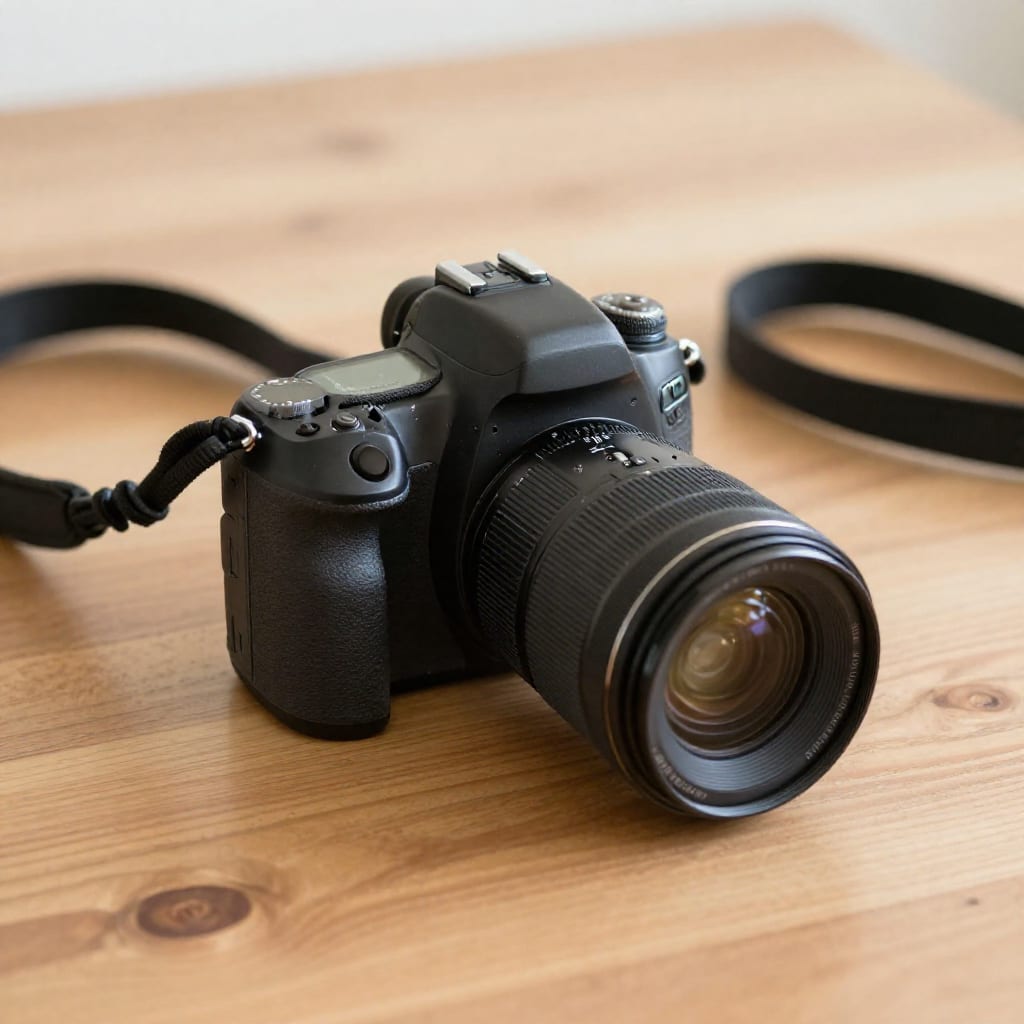
I started with a used Canon Rebel T6 that I bought for $200 on Craigslist. The real game-changer was a $150 used 50mm f/1.8 lens. That fast aperture let me shoot in low light and blur messy backgrounds, making every photo look more professional. For action shots of running dogs, I later added a used 85mm f/1.8 lens ($300) for better reach. Total gear investment: under $700. You don’t need a $3,000 mirrorless body to start. What matters is learning to use what you have—mastering composition, lighting, and patience. I still shoot with that same 50mm lens today. When people ask what camera they need, I tell them: the one you can afford, plus a good lens and a willingness to lie on the ground.
Editing and Business Tools That Save Time
Editing used to eat my weekends. Then I discovered free Lightroom presets from a pet photography blog—just a few clicks to get consistent color tones across my portfolio. For business management, I use Acuity Scheduling (free tier) for client booking, and Canva (free) to design price lists and social media graphics. I also created a simple contract template using Google Docs, which I adapted from a free photography contract template I found online. The biggest time-saver was batch-editing: I set aside two hours every Sunday to edit all photos from the week’s sessions using the same preset. That one habit saved me at least five hours a week. The best approaches for earning money as a pet photographer aren’t just about shooting—they’re about streamlining everything else so you can focus on what you love.
Avoiding Common Pitfalls That Cost Me Money
The Danger of Underpricing Early On
I cringe thinking about my first three months. I charged $50 for a full session because I was terrified no one would pay more. I attracted clients who expected bargain prices and often haggled. Worse, I was exhausted—shooting three sessions a week for peanuts. I raised my prices by 50% overnight after a mentor told me, “People value what they pay for.” Guess what? I lost two cheap clients but gained three who paid more and respected my time. My income doubled in the next month. The lesson: price based on the value you provide, not on fear. If you’re charging less than $100 for a session, you’re probably leaving money on the table.
Why Contracts and Deposits Are Non-Negotiable
I learned this the hard way. A client booked a session, I reserved a Saturday afternoon, drove 30 minutes to the location, and they never showed. No call, no text. I lost $150 in potential income and two hours of my life. After that, I implemented a non-refundable $50 deposit due at booking, and a simple one-page contract covering cancellation policy, usage rights, and liability. I now use a digital signature tool (HelloSign, free tier) to make it easy. In two years, I’ve had zero no-shows. The deposit weeds out unserious inquiries, and the contract protects both of us. It’s not about being distrustful—it’s about running a professional business. Every pet photographer should have these in place from day one.
Mastering Pet Behavior for Smooth Sessions
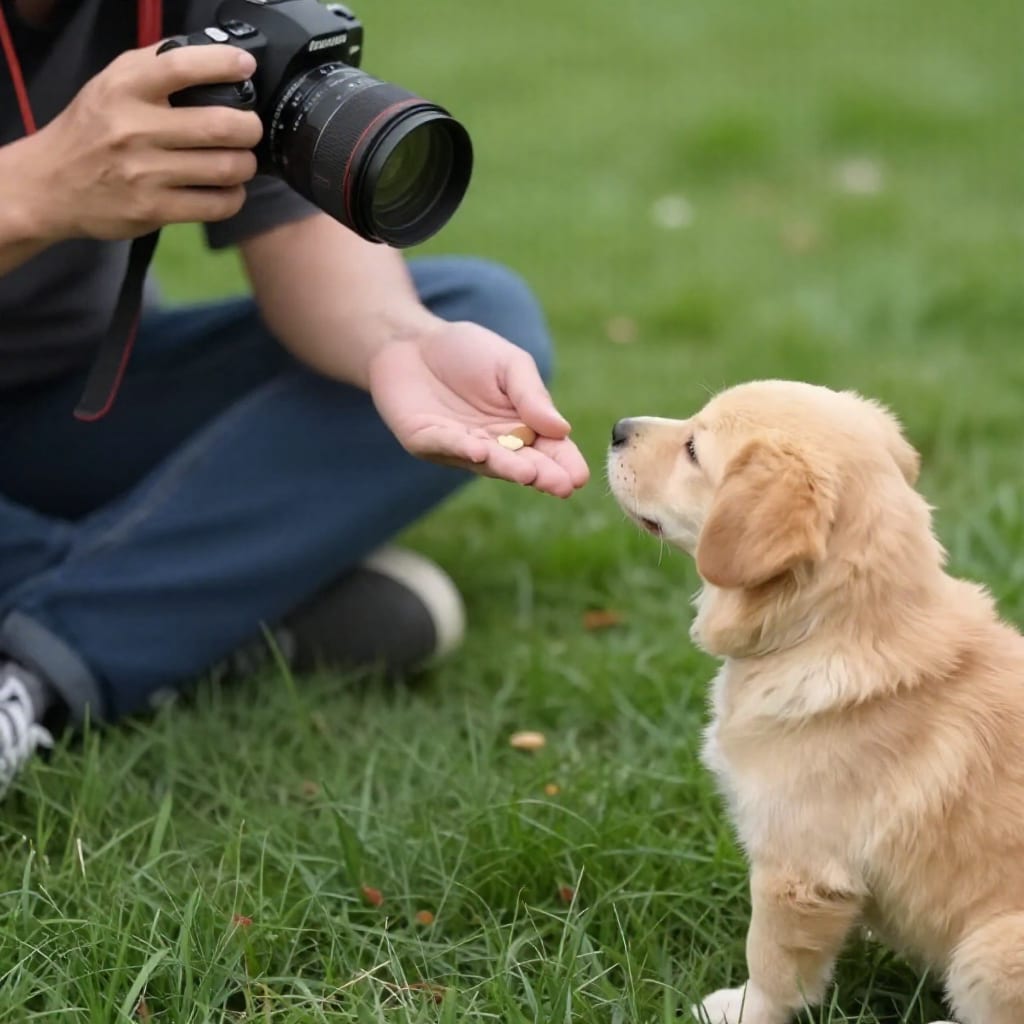
My early sessions were chaos. I’d show up without treats, without a plan, and expect the pet to cooperate. I learned to prep: I ask clients to bring their pet’s favorite high-value treats and a toy. I start every session with five minutes of play to burn off energy. For nervous pets, I sit on the ground and let them approach me. For hyperactive dogs, I use a squeaky toy held near the camera lens to get eye contact. I also keep a small emergency kit with treats, a lint roller, and a towel. These small adjustments cut my average session time from 90 minutes to 60, and reduced the need for reshoots. When I made a reel showing a dog calming down after I sat quietly, it got 50,000 views. People love seeing the process. Mastering pet behavior isn’t just about better photos—it directly impacts your bottom line.
FAQ
Do I need an expensive camera to start making money as a pet photographer?
No. I started with a used entry-level DSLR and a 50mm lens. Good lighting and composition matter more than gear. Upgrade as you earn.
How long did it take you to earn your first $1,000 as a pet photographer?
About 3 months of actively marketing to friends, family, and local pet groups. Consistency and building a portfolio were key.
What’s the best way to find clients without a big social media following?
Partner with local pet stores, vet clinics, and rescue shelters. Offer a free mini-session to a shelter pet in exchange for a testimonial and referral.
Can I do pet photography as a side hustle while working a full-time job?
Absolutely. I started with weekend sessions and evenings. Keep initial overhead low and scale up as demand grows.
How do I price my services without scaring away clients?
Start with a base session fee and offer tiered packages (digital only, prints, albums). Research local competition and adjust based on your skill level and client feedback.
Takeaway
Pet photography isn’t just a fun way to spend weekends—it’s a legitimate income stream if you treat it like a business. The best approaches for earning money as a pet photographer are simple: specialize, package smartly, partner locally, and avoid the pricing and prep mistakes I made. Start small, learn as you go, and don’t be afraid to charge what you’re worth. If you’re ready to turn your love for animals into real cash, grab your camera and get started. And if you want more ideas, check out guides on starting a pet sitting business or passive income ideas for pet lovers.