How I Earn $4k/Month as an Illustrator: 5 Real Strategies
I remember staring at my bank account in February of 2024 and feeling a knot in my stomach. I’d been illustrating part-time for two years, and my best month had been $412. That month? $87. I was working 20-hour weeks on commissions that paid $50 per piece, and I was burning out fast. The turning point came when a friend who runs a small stationery brand casually mentioned that she made more from one Procreate brush pack than I did from a full week of custom logos. That conversation cracked something open for me. I realized I’d been treating illustration like a hobby that occasionally paid, not like a business with multiple income streams. So I sat down, mapped out every possible way to monetize my art, and started testing. Eighteen months later, I crossed $4,000 in a single month for the first time. Here are the five real strategies that got me there.
Why I Started Treating Illustration Like a Business (Not Just Art)
For the first year, I thought “making money as an illustrator” meant getting a big commission from a cool brand or selling a few prints at a local market. I was wrong. The biggest shift wasn’t learning new drawing techniques—it was changing my mindset. I started tracking my hours like a freelancer and calculating my effective hourly rate. When I saw that I was earning about $8 per hour on child portraits, I knew something had to change. I read a few business books for creatives, and the core lesson was simple: diversify your income so no single client or platform can break you. That’s when I stopped chasing the “one big break” and started building a system. The first step was picking one niche to dominate, and that leads to Strategy #1.
Strategy #1: Niche Down and Sell Digital Products (My Monthly Anchor)
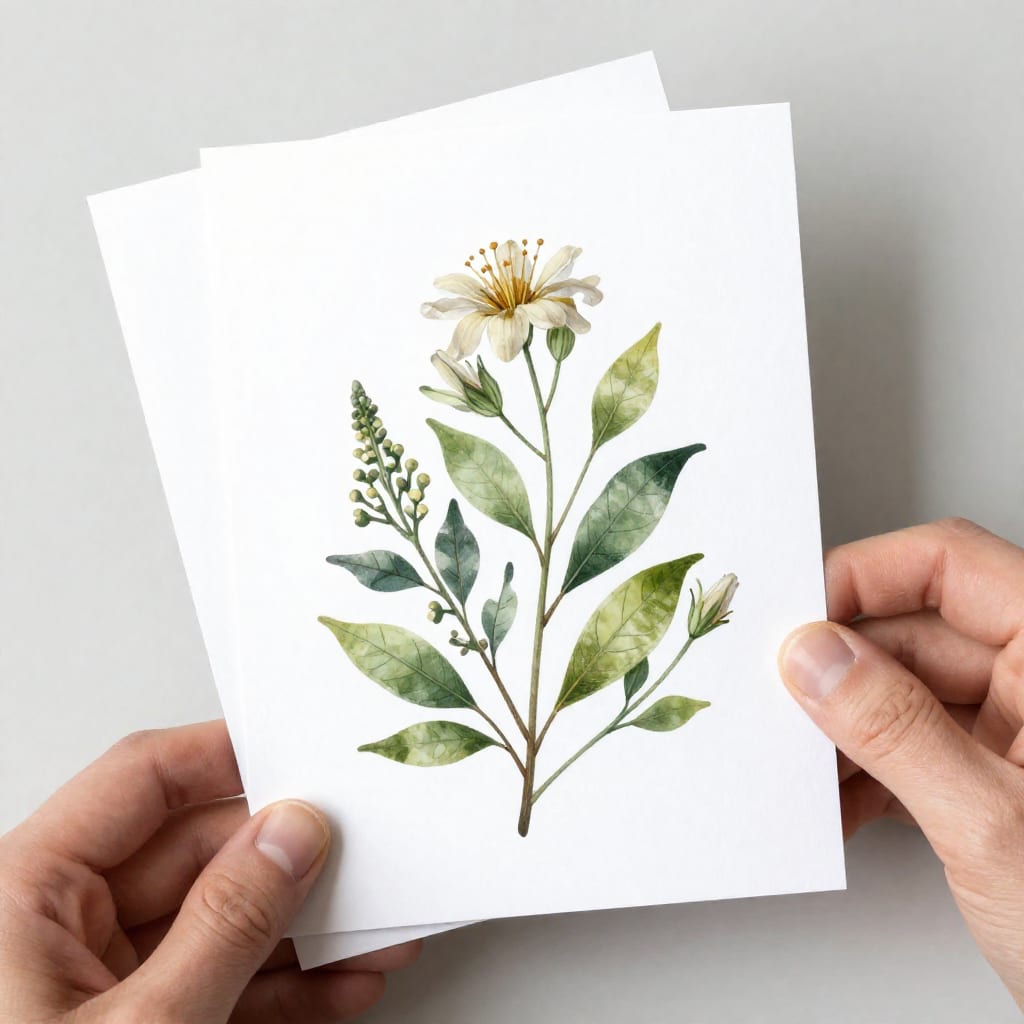
I had been a generalist—landscapes, portraits, fan art, whatever paid. But the best ways to earn income as an illustrator often involve becoming the go-to person for one thing. I chose botanical line art because I noticed people on Etsy and Creative Market were paying $5–$15 for seamless patterns and Procreate brushes. So I spent three months creating a set of 50 botanical vector elements and a matching brush set. I listed them on Creative Market for $12 each. The first month I made $340. By month six, that single product was bringing in $1,200 per month. The key was consistency: I released a new pack every three weeks, cross-listed on Etsy, and optimized the titles with keywords like “botanical line art brushes” and “floral vector pack.” Now digital products make up about 40% of my monthly income, around $1,600. They sell while I sleep, and that’s the real magic.

Strategy #2: Freelance Commissions with a Retainer Model (The Stability Layer)
Commissions used to be a feast-or-famine nightmare. I’d get three requests in one week, then nothing for a month. The fix was switching from one-off projects to retainer agreements. I reached out to a local coffee shop chain that used stock photos for their social media and offered to create custom illustrated posts for $500 per month (four posts, unlimited revisions). They said yes. Then I did the same for a small skincare brand. Now I have three retainer clients paying $400–$700 per month each. That’s about $1,500 of predictable income every month. The trick is to pitch retainers as a way for clients to save time and get consistent branding, not as a discount. I use a simple contract that outlines scope, revision limits, and payment terms. It’s not glamorous, but it’s the stability layer that lets me take risks on other streams.
Strategy #3: Licensing Your Artwork (The Scalable Passive Stream)
Licensing is where the real passive potential lives. I started by submitting designs to greeting card companies and fabric brands. My first licensing deal was with a small paper goods company: they paid $800 upfront for the rights to use four of my floral patterns on cards and notebooks for two years. I didn’t have to do any additional work after delivering the files. Since then, I’ve licensed designs to a home decor brand and a textile company. The total from licensing last year was about $3,200, but it’s growing. The key is to understand that licensing is a numbers game—you submit to as many companies as possible, and you negotiate for non-exclusive deals so you can resell the same design elsewhere. I also list some designs on stock art sites like Shutterstock and Adobe Stock, which brings in a trickle of $50–$100 per month. It’s not huge, but it adds up.
Strategy #4: Teaching and Tutorials (The Authority Multiplier)
I never thought I’d be a teacher, but creating a Skillshare class on botanical illustration changed everything. I filmed a 45-minute class showing my process from sketch to final vector, and I priced it at $15 on Skillshare (plus the platform’s royalty pool). In the first three months, it earned $780. More importantly, it made me an authority. People who watched the class started following me on Instagram, buying my brushes, and requesting commissions. I now have two classes on Skillshare and a small course on Gumroad that sells for $47. Together, they bring in about $400 per month. The surprising insight: teaching forces you to articulate your process, which actually makes you a better illustrator. And the income is passive after the initial creation.
Strategy #5: Print-on-Demand and Merchandise (The Low-Risk Channel)
I’d always wanted to sell physical products but hated the idea of holding inventory. Print-on-demand solved that. I opened a Redbubble shop and a Society6 store, uploading my best-selling digital designs as t-shirts, mugs, throw pillows, and prints. The first few months were slow—maybe $50 per month. But I optimized my tags and descriptions, and I started promoting specific products around holidays (like floral mugs for Mother’s Day). By the end of year two, I was averaging $350 per month, with a peak of $800 in December. The key is to upload consistently and use mockups that look professional. I use Printful for higher-quality products (like art prints) and Redbubble for lower-effort items. It’s not my biggest stream, but it’s the easiest to set up and requires zero ongoing work after the initial upload.
FAQs
How long did it take you to reach $4k/month as an illustrator?
It took about 18 months of consistent effort across multiple streams. The first 6 months were below $500, then it grew steadily as I added digital products and retainers. Patience and iteration were key.
Do I need a huge social media following to make money as an illustrator?
No. I started with under 500 Instagram followers. Most of my income came from direct outreach, licensing deals, and selling on marketplaces like Etsy and Creative Market. A following helps, but it’s not required.
What’s the most profitable single strategy you listed?
Digital products (Procreate brushes and vector packs) because they sell while I sleep; they now make up about 40% of my monthly total. That’s the one I’d focus on first if I were starting over.
How do you price your commissions to avoid undercharging?
I use a formula: hourly rate (I aim for $50-75/hr) times estimated hours, plus a 30% buffer. I also research what similar illustrators charge in my niche. Never skip the buffer—revisions always take longer than you think.
What’s the biggest mistake new illustrators make when trying to earn income?
Spreading too thin—trying to do commissions, prints, and courses all at once without mastering one channel first. I focused on digital products for 3 months before adding others. Master one, then expand.
If you’re an illustrator feeling stuck under $500 a month, I’d recommend picking just one of these strategies and going deep for three months. For me, digital products were the anchor that made the rest possible. The most important thing is to start treating your art like a business—track your numbers, diversify your income, and never rely on a single source. Good luck, and feel free to bookmark this for reference as you build your own system.